Spiritual Pilgrimage
A spiritual and cultural pilgrimage here is more than a simple journey; it is an incursion into the heart of human history, art and spirituality.
Your guide in Rome
Sorinel asks the right questions before the tour, explains without rushing, and adapts the route so Rome becomes easier to understand.
The visitor experience
A private guide is most valuable when connecting what you see with the questions you brought with you. Sorinel follows that thread from practical orientation to historical and cultural context.
Christian heritage and the Vatican are important areas of his expertise, but tours can just as naturally explore ancient Rome, the historic center, or a route designed for a first visit.
Your Guide
TOUR GUIDE in the Capital Rome and surroundings, Theologian Pascaru Sorinel, graduate of the “Justinian the Patriarch” Orthodox Theology Faculty in Bucharest, currently a master’s student at the same Faculty, well acquainted with Italy, with uninterrupted residence in the city of Rome for 29 years.
CAPUT MUNDI • CITTÀ ETERNA · THE ETERNAL CITY
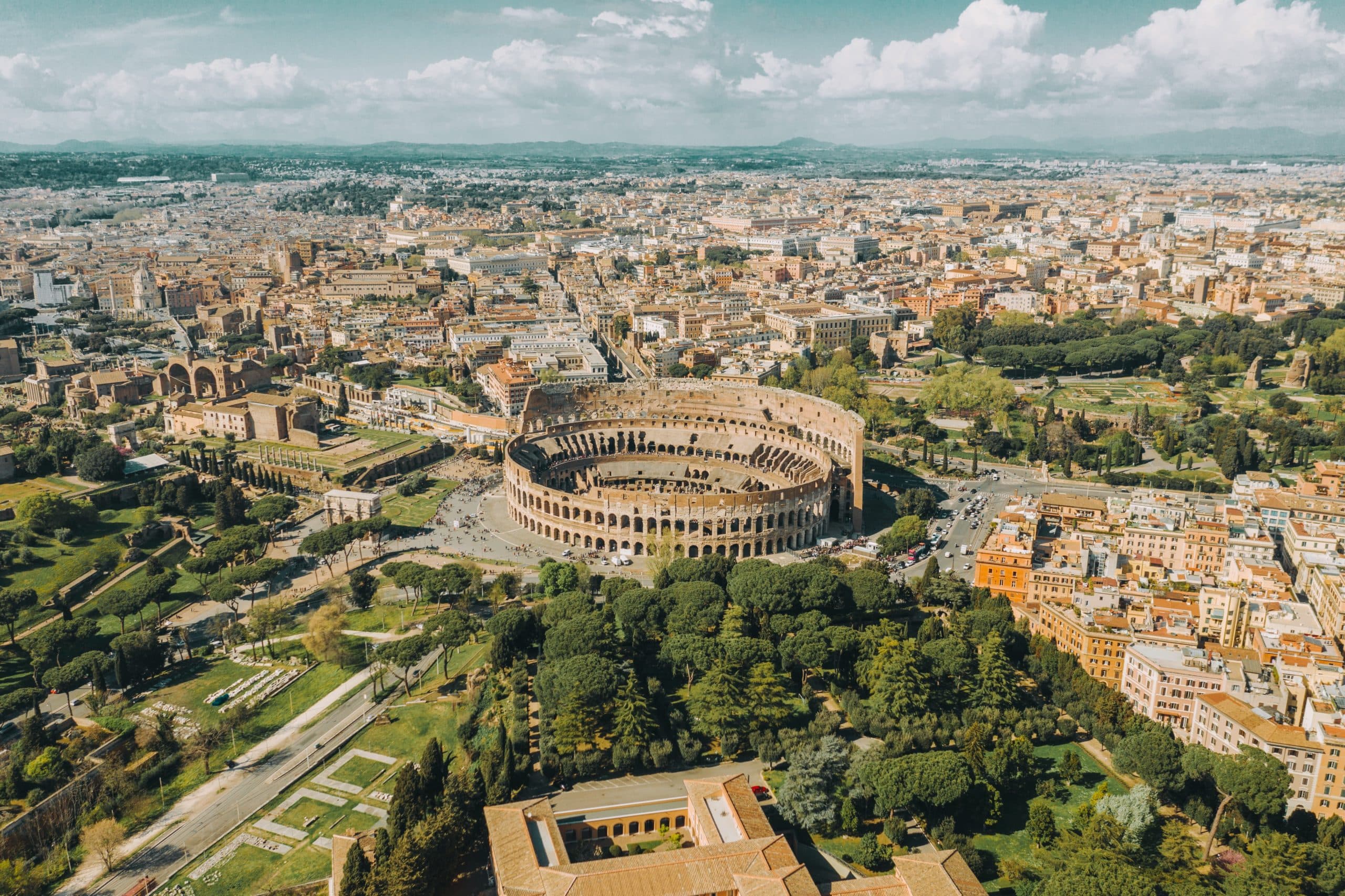
Rome - Capital of Italy since 1870. The city located in the central-western part of the Italian Peninsula, on the banks of the Tiber River (Tevere), with an ancient history, being throughout the centuries the capital of the Roman Republic, the Roman Empire, the Roman Catholic Church and modern Italy.
The world center of the Renaissance, Rome is one of the most visited capitals in the world. It is an open-air museum, a city full of history.
Rome - also called the Capital of the world, the Eternal City, the City of seven hills - is one of the most popular destinations where culture and faith meet.
A spiritual and cultural pilgrimage here is more than a simple journey; it is an incursion into the heart of human history, art and spirituality.
With its ancient heritage, it is the place where every street, church and square reminds of the greatness of the civilization that influenced the whole world.
By exploring it, we will enrich ourselves not only spiritually, but also culturally, helping us to understand the depth of faith and artistic beauty that have marked this eternal city.
Rome - The Holy City
Guiding style
You receive a clear meeting point and the practical information relevant to the route.
Explanations begin with what you notice and leave room for questions.
The program avoids unrealistic promises and prioritizes the group's experience.
Areas of expertise
Monuments are explained in relation to their period, the city, and the people who used them.
The visit focuses on essential ideas and works in accessible language.
The spiritual dimension is treated with respect, while history and tradition are carefully distinguished.
Routes account for distance, access, crowds, and the real pace of a day in Rome.